Air Quality Science for Avian and Sentinel Species
Author: Steve

-
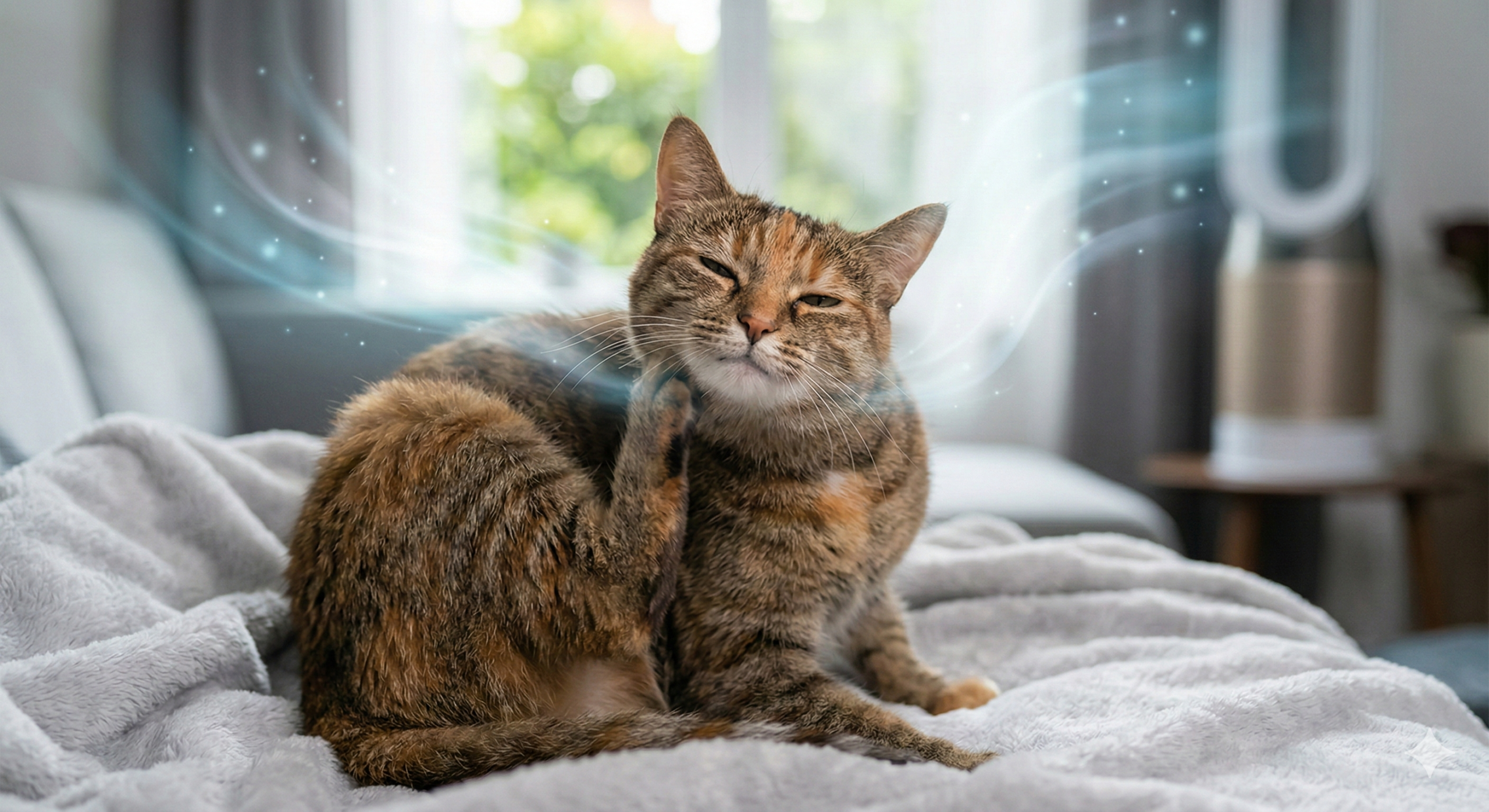
Is Your Pet’s “Summer Itch” Actually an Air Quality Issue?
Is your pet scratching more now that the windows are closed and the AC is on? It might not be the grass—it could be your indoor air. Discover how “trapped” summer allergens like dander and mold spores trigger the “Summer Itch,” and learn which high-performance air purifiers can finally give your pet some relief.
-
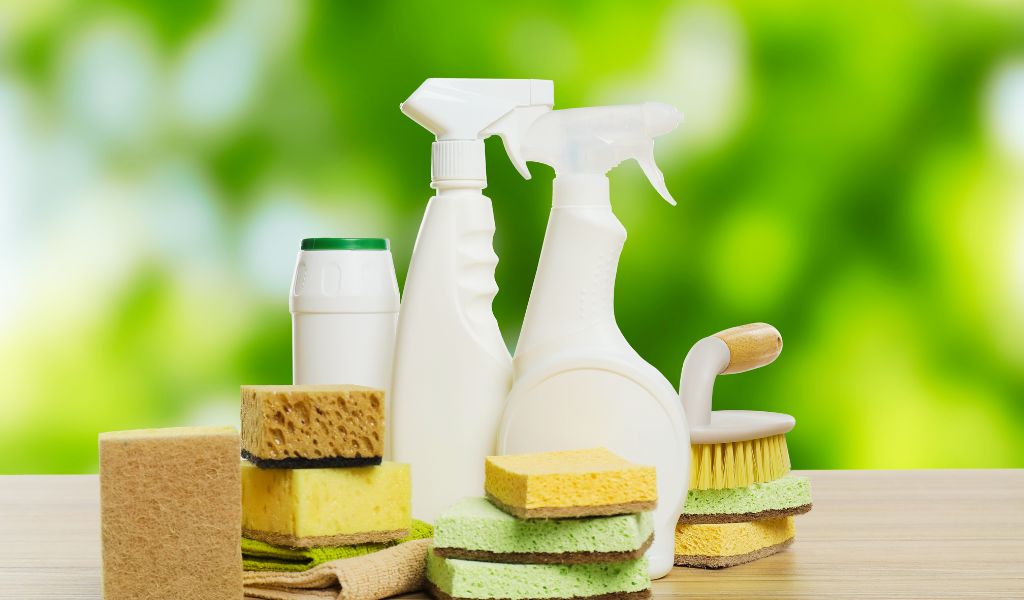
The Sentinel Cleaning Protocol: Pet Safe Cleaning Products
Is your ‘Clean Home’ hurting your pets? Many common disinfectants are toxic to birds and rabbits. Discover the Sentinel-Approved toolkit for a germ-free home without the respiratory risks.
-
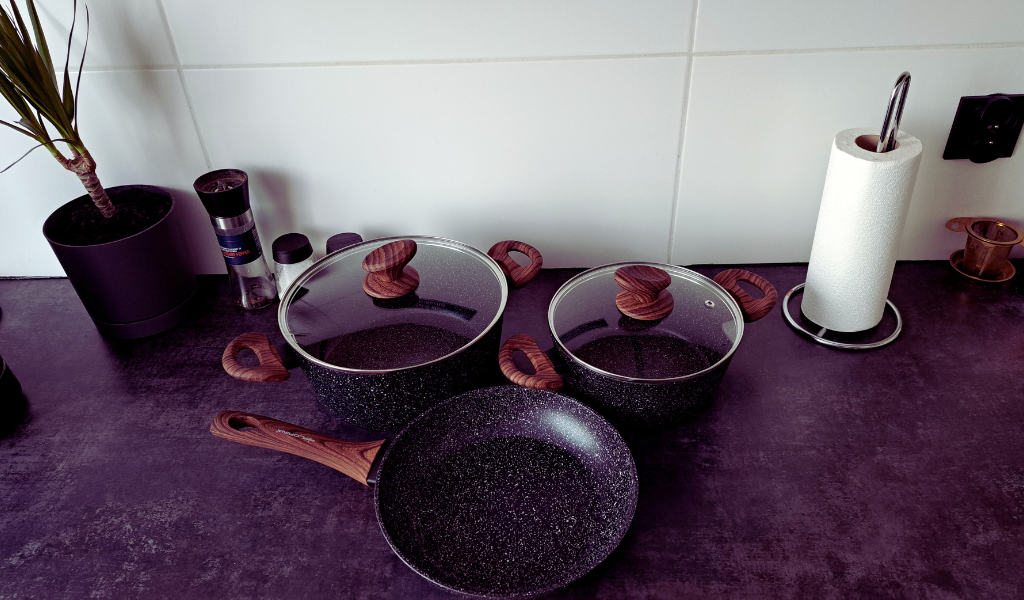
The Sentinel Kitchen Protocol: Neutralizing the Home’s Most Dangerous Zone
Is your cookware a silent threat? For parrots, ‘Teflon poisoning’ is fatal within minutes. Learn how to audit your kitchen and implement the Sentinel Protocol for bird-safe cooking.
-
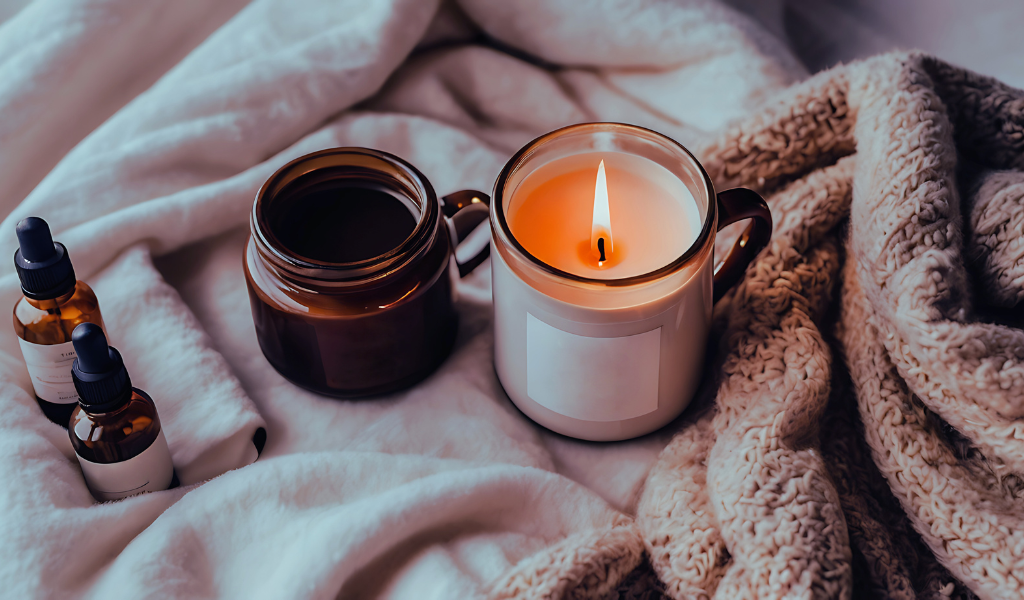
Beyond the Filter: The Sentinel Guide to Safe Scents and Air Toxins
Think your scented candles are harmless? For birds and rabbits, the ‘smell of home’ can be toxic. Learn the Sentinel-Approved protocols for refreshing your space without risking respiratory failure.
-
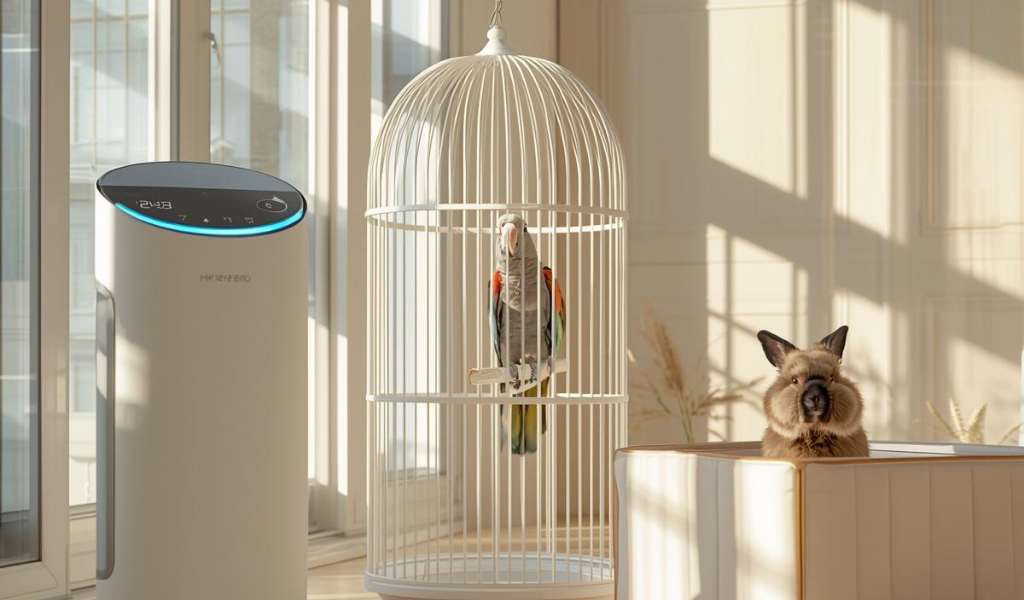
The 2026 Sentinel-Approved Registry: Top 3 Air Purifiers for Birds and Small Pets
Is your air purifier secretly stressing your pets? Discover the only 3 units to pass our 2026 Sentinel Standard for noise and ozone safety—tailored for the unique needs of the Bird Room and Small Furry nurseries.
-
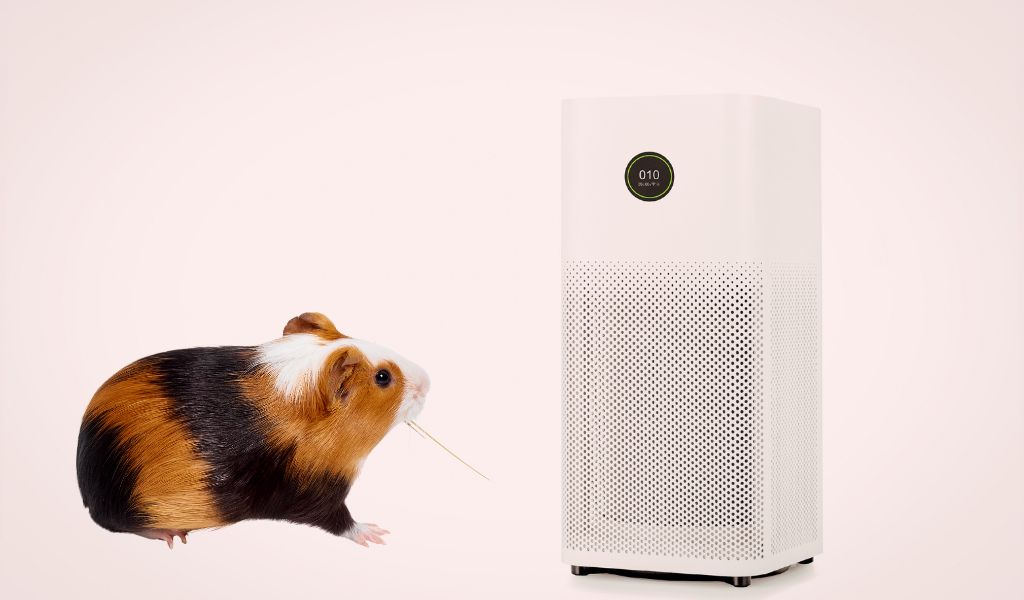
The 2026 Zero-Ozone Registry: Verified Safe Air Purifiers for Sentinel Species
For birds and small mammals, “low ozone” is not enough. Because of their high metabolic rates and delicate respiratory epithelial lining, only mechanical-only filtration is truly safe. This registry is an audited list of air purifiers that carry the UL 2998 “Zero Ozone” validation or the CARB (California Air Resources Board) certification for non-electronic air
-
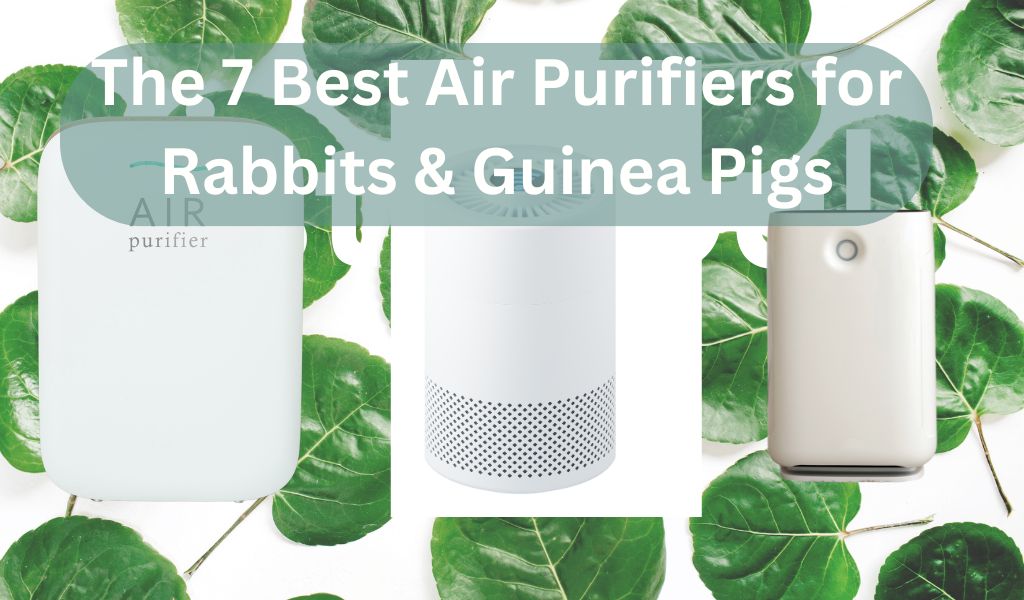
The 7 Best Air Purifiers for Rabbits & Guinea Pigs (2026 Reviews)
Choosing an air purifier for a small mammal room is significantly harder than choosing one for a standard bedroom. You are fighting two distinct battles: heavy hay particulate that clogs filters and ammonia gas that saturates carbon. To make this “Sentinel-Safe” list, a unit must have a vacuumable pre-filter and a verified carbon stage. Here
-
The Ammonia Alert: Managing Gas-Phase Toxins in the Litter Zone
If you can smell your rabbit or guinea pig’s litter box, your pet’s respiratory system is already under stress. Ammonia (NH3) is a byproduct of nitrogenous waste. Because it is heavier than air, it stays concentrated at ground level—exactly where your small mammals sleep and eat. Unlike hay dust, ammonia is a gas, meaning a
-
The Hay Dust Protocol: Managing Particulate Spikes in Rabbit & Guinea Pig Rooms
If you live with a rabbit, guinea pig, or chinchilla, you aren’t just managing pet dander; you are managing a biological dust factory. As discussed in our [Small Furry Care Guide], air quality is a non-negotiable. Rabbits and guinea pigs are “sentinel species,” meaning their delicate respiratory systems react to air pollution long before ours
-
The Sentinel Formula: Calculating Your Pet’s Air-Exchange Needs
Standard air purifier room ratings are designed for human bedrooms with minimal dust. They are not designed for a bird room full of powder down or a rabbit area with hay dust. To protect a “Sentinel” species, you must ignore the “Square Footage” on the box and calculate the CADR-to-Volume Ratio. 1. The Standard: 5x