Air Quality Science for Avian and Sentinel Species
Category: Small Mammal Respiratory Health & IAQ
The Ground-Level Gap: Rabbits, guinea pigs, and chinchillas exist in a unique “micro-climate” within our homes. Living just 2 to 6 inches off the floor, these high-metabolic species are exposed to concentrated particulates, ammonia fumes, and hay-borne allergens that standard air quality products often miss.
This resource hub is dedicated to Species-Specific Air Filtration. Here, we bridge the gap between avian-grade safety standards and the heavy-dust demands of small mammal care. Our research focuses on:
HEPA-H13 Filtration for Timothy and Alfalfa hay dust.
Ammonia-Grade Carbon Scrubbing for litter-zone odor neutralization.
Ozone-Free Certification to protect obligate nasal breathers from pulmonary irritation.
New to this topic? Start with our foundational guide: [The Anatomy of Vulnerability: Why Small Pets are Indoor Pollution Sentinels].
-
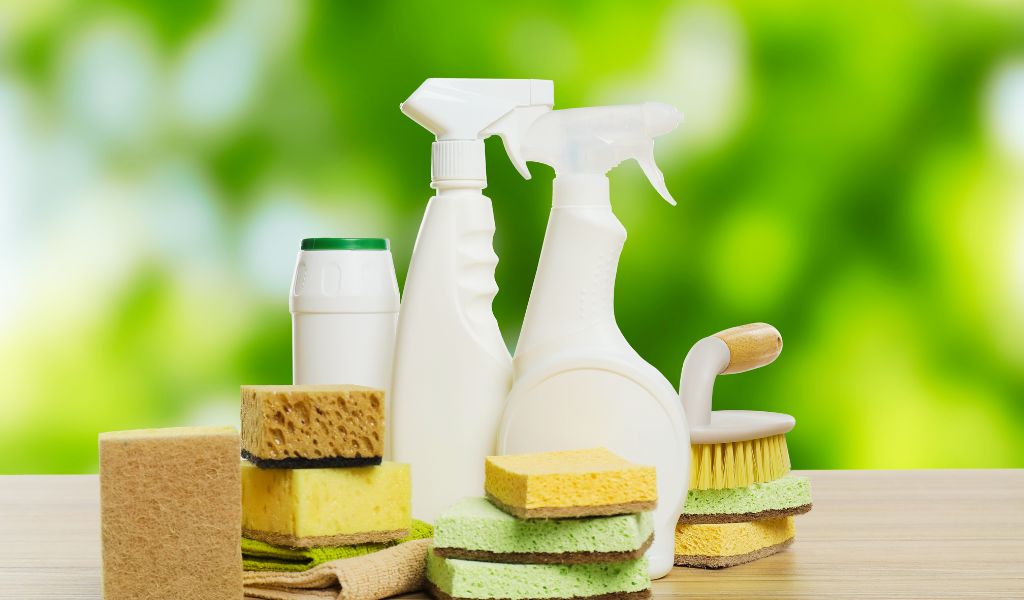
The Sentinel Cleaning Protocol: Pet Safe Cleaning Products
Is your ‘Clean Home’ hurting your pets? Many common disinfectants are toxic to birds and rabbits. Discover the Sentinel-Approved toolkit for a germ-free home without the respiratory risks.
-
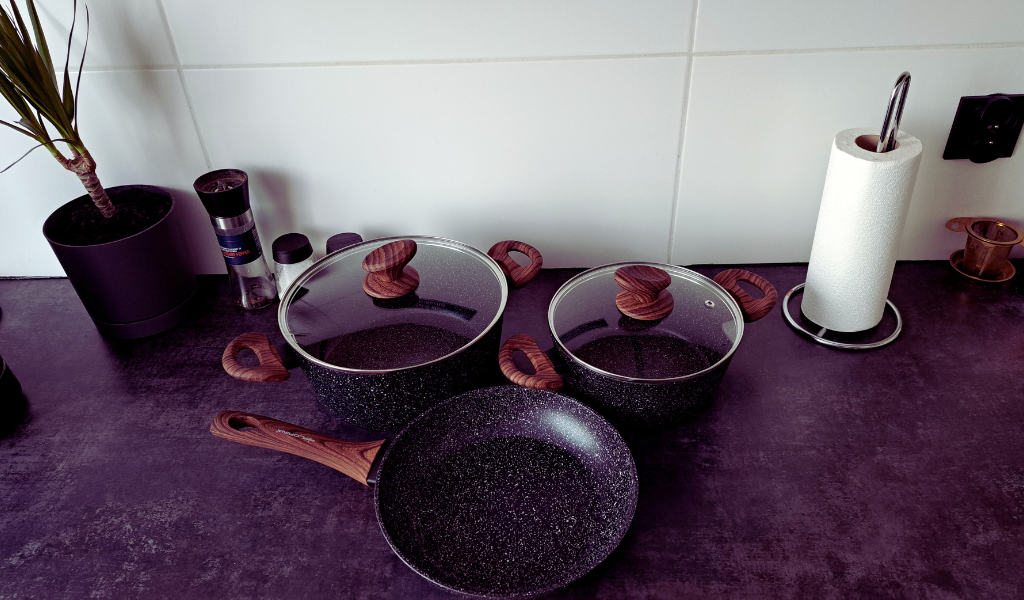
The Sentinel Kitchen Protocol: Neutralizing the Home’s Most Dangerous Zone
Is your cookware a silent threat? For parrots, ‘Teflon poisoning’ is fatal within minutes. Learn how to audit your kitchen and implement the Sentinel Protocol for bird-safe cooking.
-
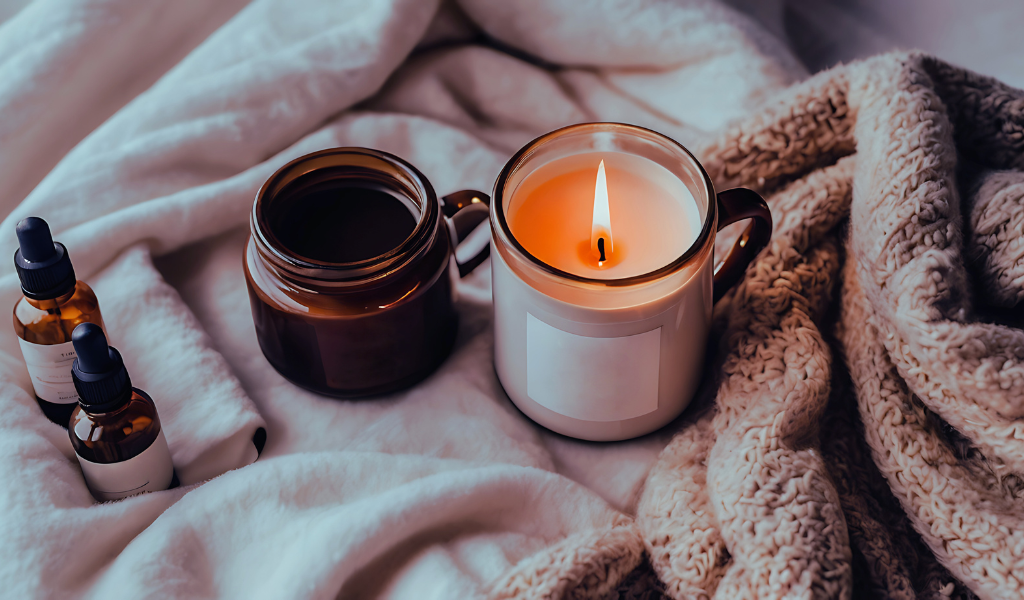
Beyond the Filter: The Sentinel Guide to Safe Scents and Air Toxins
Think your scented candles are harmless? For birds and rabbits, the ‘smell of home’ can be toxic. Learn the Sentinel-Approved protocols for refreshing your space without risking respiratory failure.
-
The Ammonia Alert: Managing Gas-Phase Toxins in the Litter Zone
If you can smell your rabbit or guinea pig’s litter box, your pet’s respiratory system is already under stress. Ammonia (NH3) is a byproduct of nitrogenous waste. Because it is heavier than air, it stays concentrated at ground level—exactly where your small mammals sleep and eat. Unlike hay dust, ammonia is a gas, meaning a…
-
The Hay Dust Protocol: Managing Particulate Spikes in Rabbit & Guinea Pig Rooms
If you live with a rabbit, guinea pig, or chinchilla, you aren’t just managing pet dander; you are managing a biological dust factory. As discussed in our [Small Furry Care Guide], air quality is a non-negotiable. Rabbits and guinea pigs are “sentinel species,” meaning their delicate respiratory systems react to air pollution long before ours…